


Gamifying Education: The ELLS Transformation
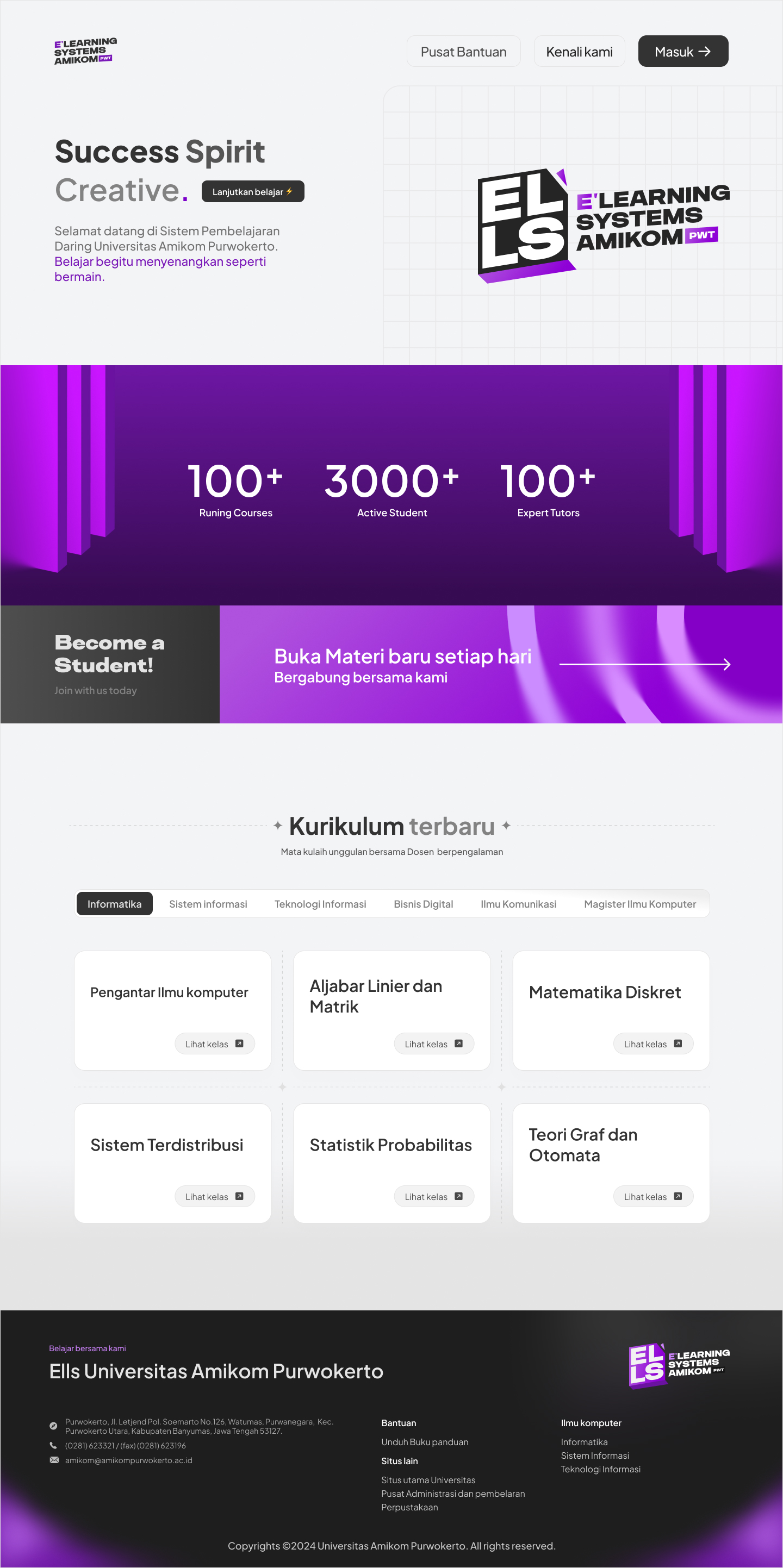
In early 2024, Universitas Amikom Purwokerto faced a critical challenge - their e-learning platform (ELLS) showed alarming disengagement metrics with NPS scores reaching -244% for learning motivation. As part of the development team, we embarked on a mission to redesign the interface using gamification elements to transform the learning experience.

Tip (Project snapshot)
Timeline: September 2024 - January 2025
Team: 1 UX Designer, 3 Developers, 2 Academic Advisors
Methods: Lean UX, MDA Framework, Cognitive Walkthrough
Tools: Figma, Affinity Designer, UEQ Questionnaire
The Challenge: Diagnosing ELLS Engagement Issues
Our initial research revealed three core problems:
Dissatisfied with platform accessibility
Low digital learning motivation
Non-intuitive interface feedback
We conducted:
- NPS surveys with 107 students
- Focus group discussions with faculty
- Cognitive walkthroughs of the existing platform
Important (Key insight)
Students perceived the platform as transactional rather than engaging - a digital textbook instead of a learning environment.
Our Strategy: Gamification Through MDA Framework
We adopted the Mechanics-Dynamics-Aesthetics framework to structure our gamification approach:
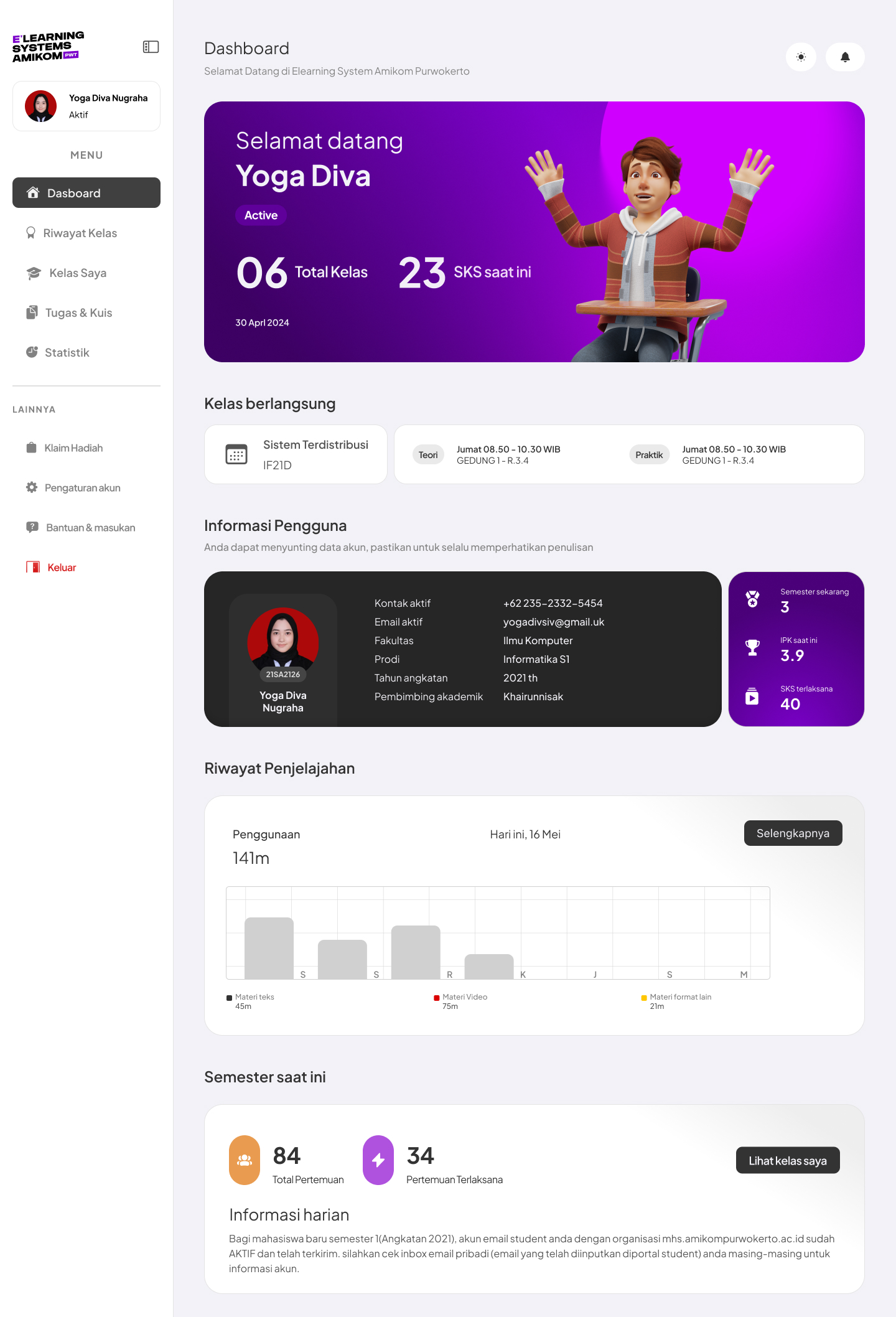
- Mechanics: Points, badges, levels
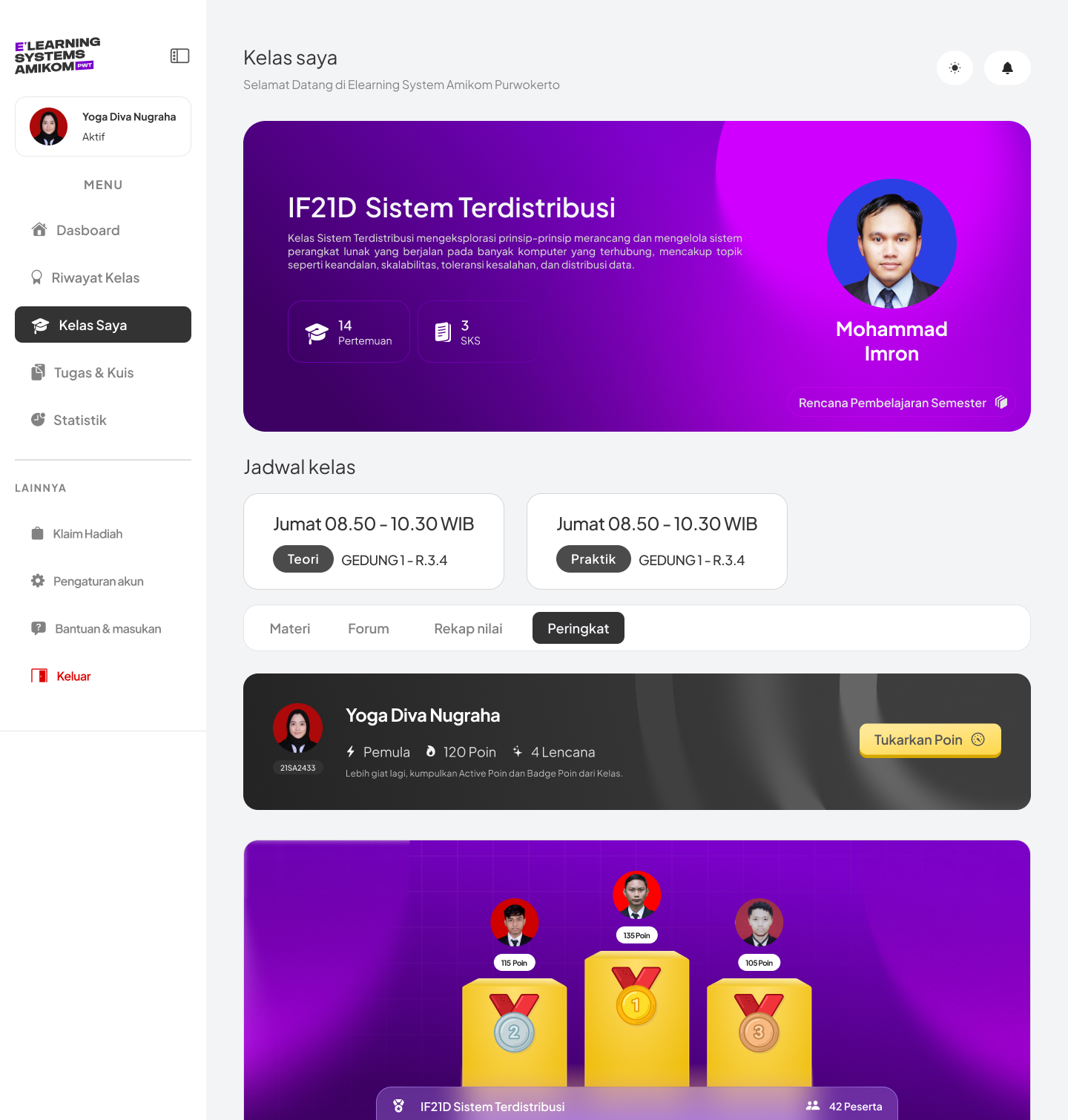
- Dynamics: Progress tracking, leaderboards
- Aesthetics: Visual rewards, achievement celebrations
The design process followed Lean UX methodology:
- Problem declaration
- MVP creation
- Experimentation
- Feedback cycles
Execution: Building the Gamified Interface
Design System Foundations
We established a cohesive visual language:
-
Color palette: Violet (#6C5CE7) as primary
Apricot (#FFA502) -
Typography: Plus Jakarta Sans for modern readability
-
Iconography: Custom achievement badges
Key Gamification Features Implemented:
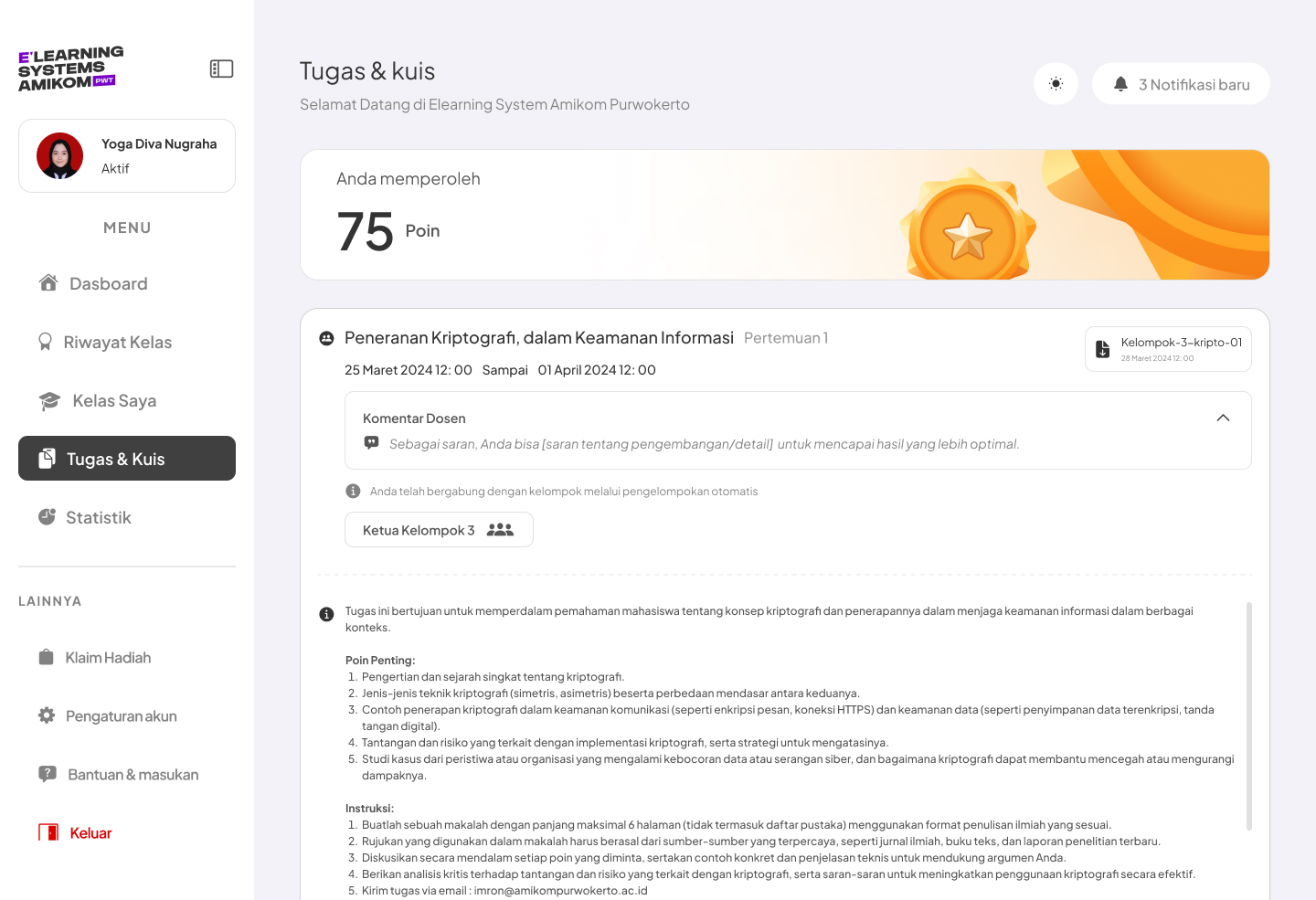
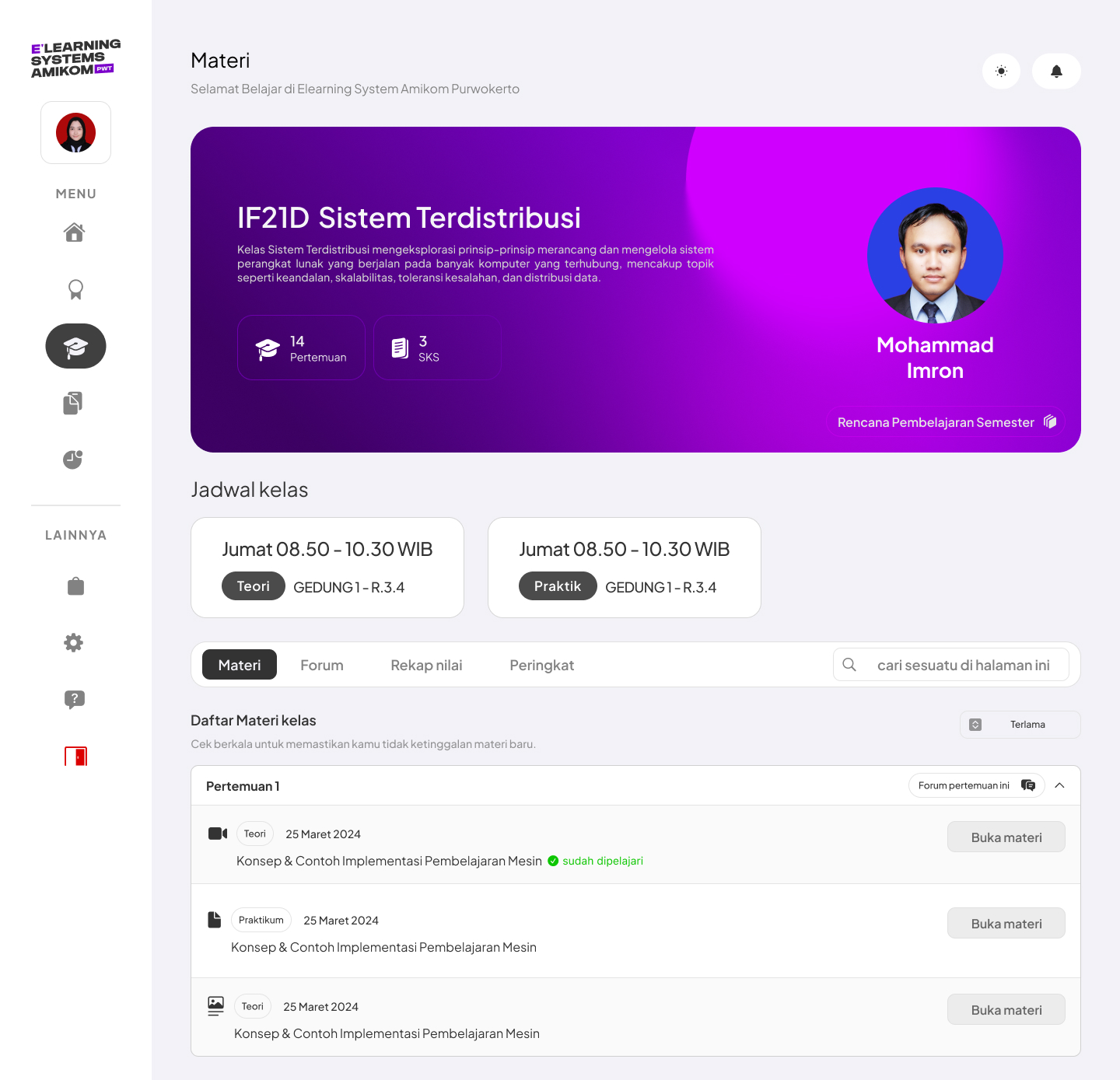
- Learning Progression System
- XP points for completing materials
- Level badges visible in profiles
- Social Motivation
- Class leaderboards
- Discussion point rewards
- Achievement Recognition
- Milestone badges
- Shareable accomplishment cards
Testing & Validation
We conducted rigorous usability testing:
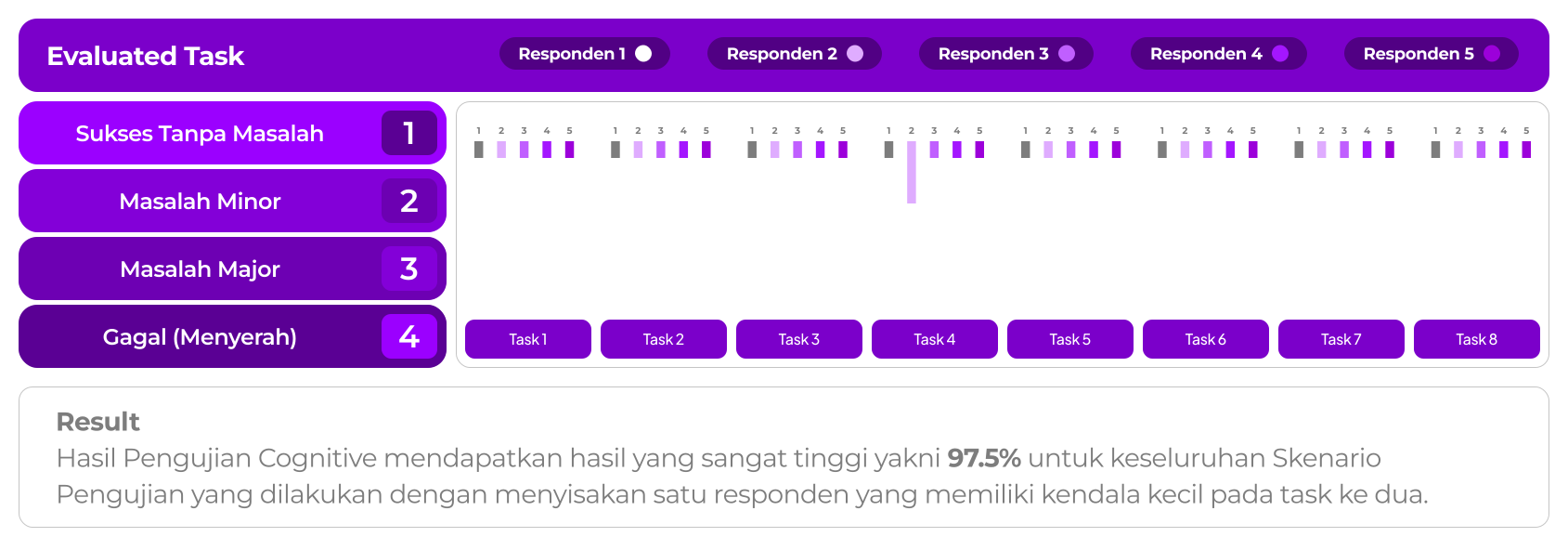
Cognitive Walkthrough Results
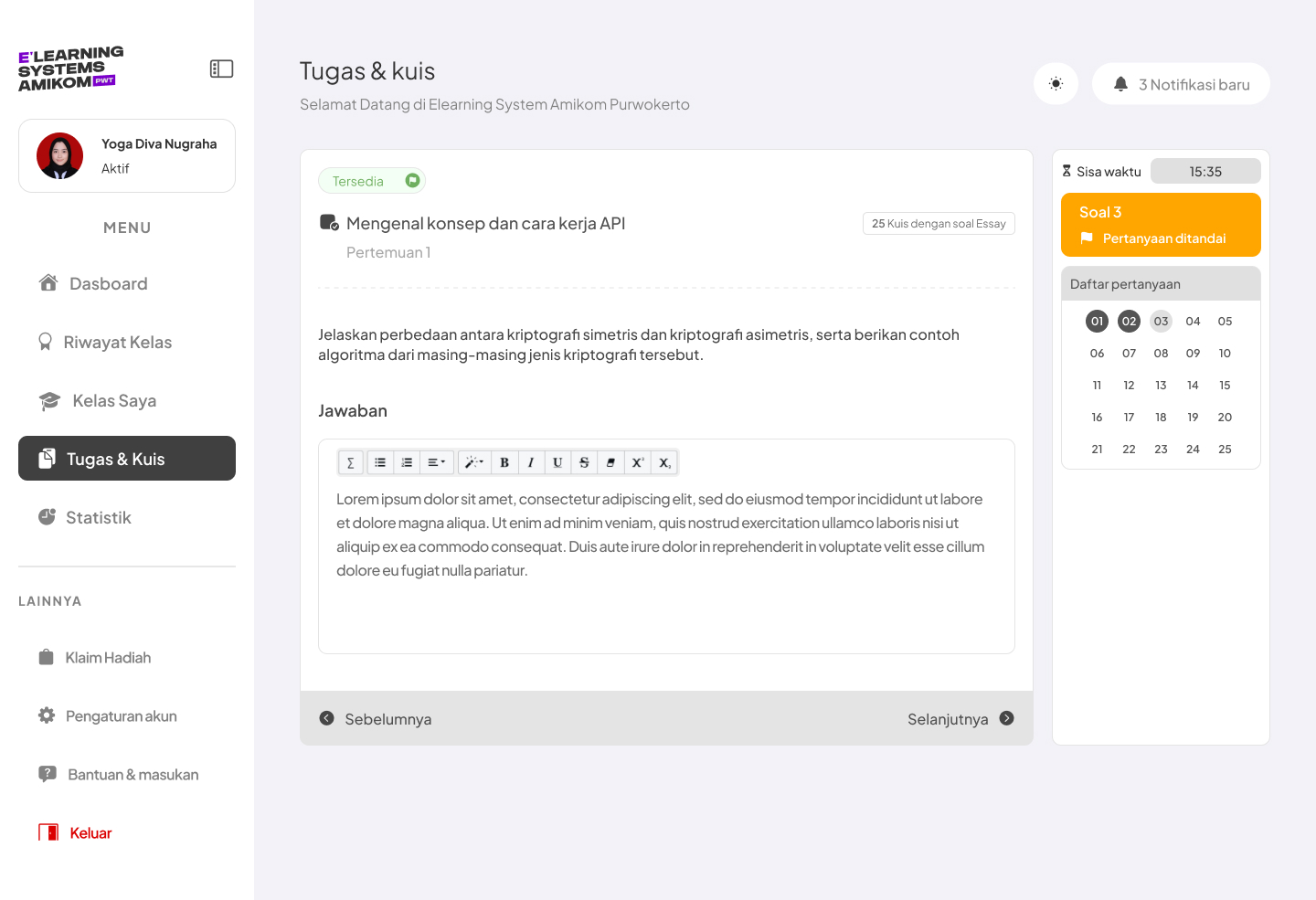
- 5 participants completed 8 task scenarios
- 100% success rate on 7/8 tasks
- Minor confusion on independent task submission (quickly addressed)
UEQ (User Experience Questionnaire) Scores
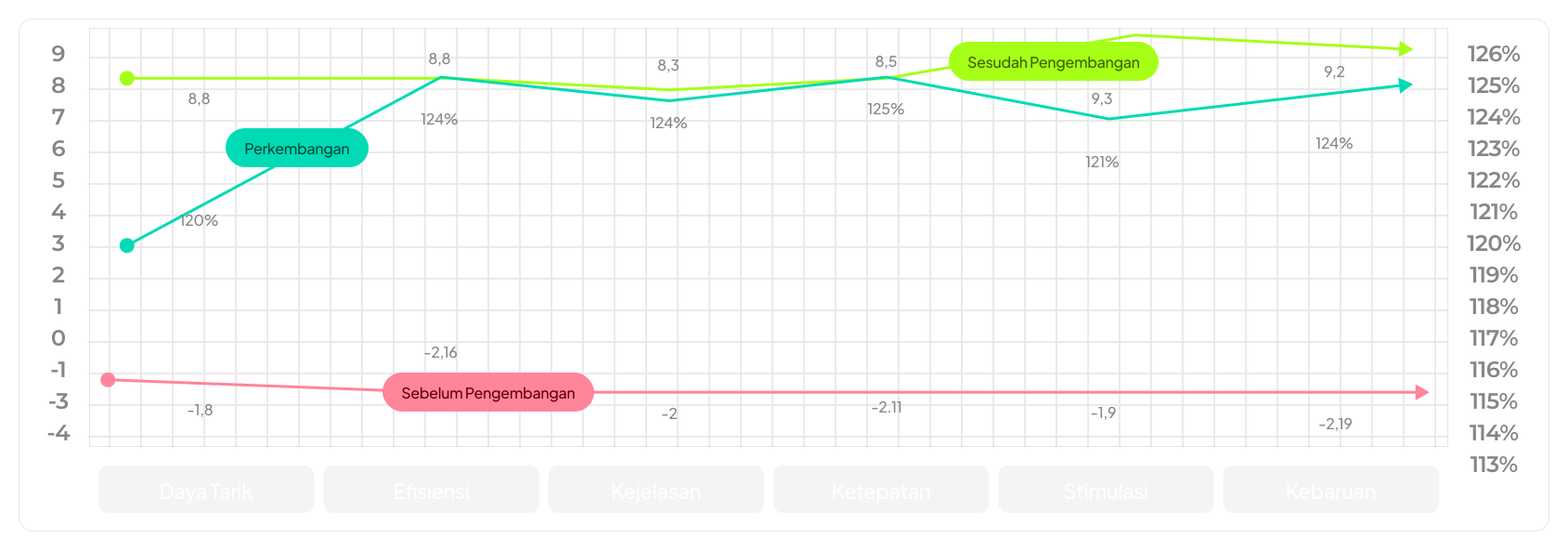
All dimensions scored above industry benchmarks:
Novelty
+124% Improvement
Perspicuity
+124% Improvement
Attractiveness
+120% Improvement
Remark (Student feedback)
“The leaderboard made me want to participate more - it felt like my efforts were visible and valued.” - Computer Science Student
The Impact
Post-implementation metrics showed dramatic improvements:
UX Dimensions Improved
Forum Activity Increased
Session Time Extended
The redesigned ELLS platform demonstrated that strategic gamification could:
- Make learning progress tangible
- Create healthy academic competition
- Increase platform loyalty
Lessons Learned
- Small rewards matter - Even simple point systems significantly impact motivation
- Progress visualization is key - Students engaged more when they could see their advancement
- Social proof drives behavior - Leaderboards created positive peer pressure
Tip (Implementation tip)
Start with minimal viable gamification - we achieved 80% of benefits with just points, badges and leaderboards before adding complex features.
Future Directions
This project opened several opportunities:
- Mobile app development for better accessibility
- Instructor-facing gamification tools
- Advanced learning analytics integration
Final Thoughts
This project proved that thoughtful gamification design could transform educational technology from obligation to engagement. By applying Lean UX principles and game design frameworks, we created an environment where students wanted to learn rather than had to learn.
“The best learning platforms don’t just deliver content - they inspire participation.” - Project Team
Got something in mind?
✳︎ ask me anything ✳︎